Building Information ModelingDigitalization in Construction
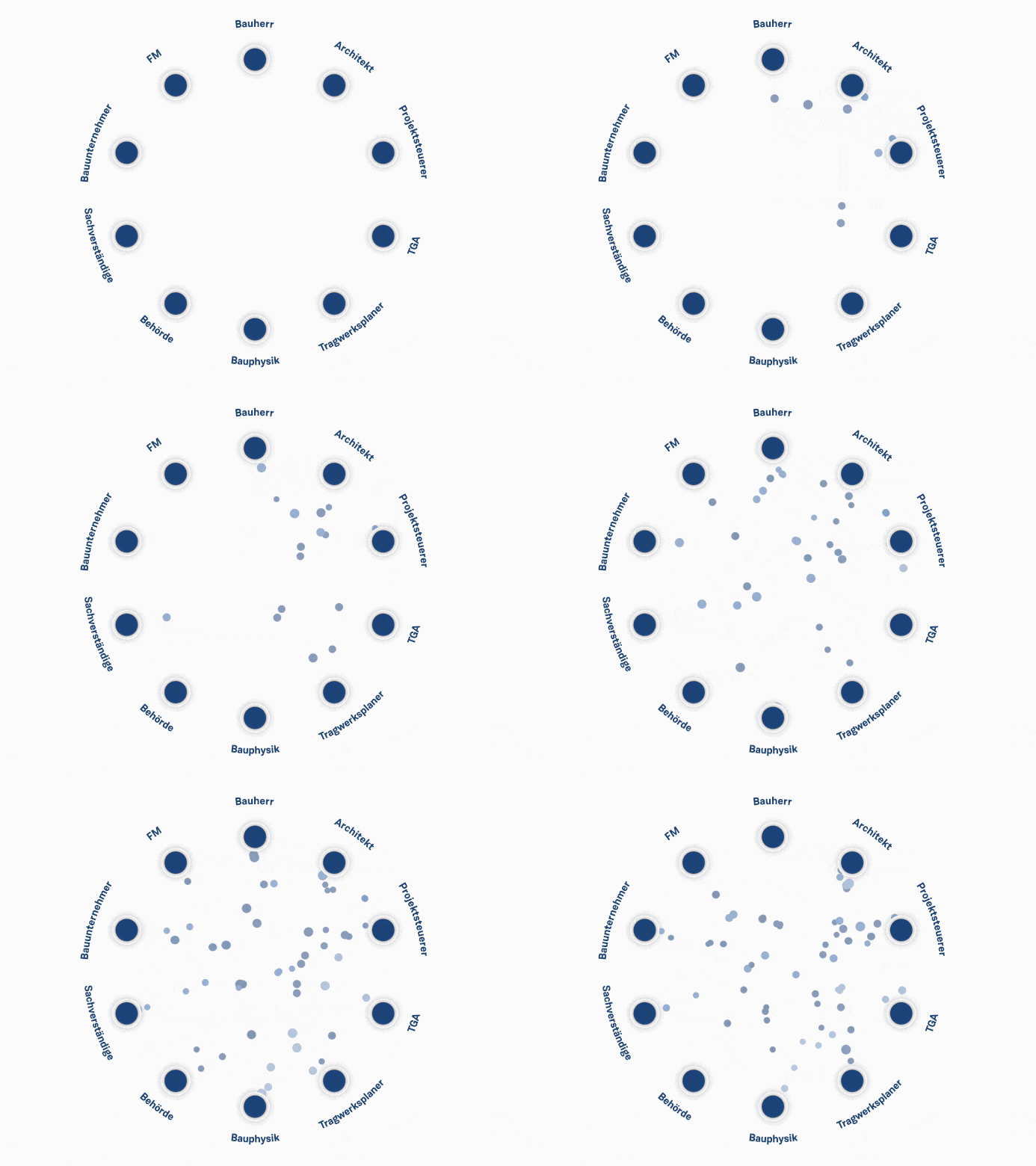
Building Information Modeling (BIM) digitally maps the various phases of a construction project. All architectural, technical, physical, and functional building data is recorded in the system. This enables all project stakeholders to plan and calculate the next steps more efficiently in real time.

Optimizing ProcessesData as the Foundation
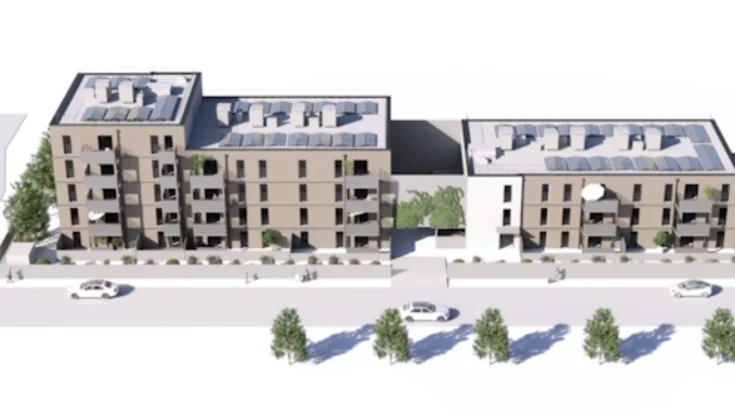
Especially in modular system construction, Building Information Modeling (BIM) is the foundation of meeting all construction requirements. Digital collaboration, independent of location and time, increases transparency and enhances planning reliability and efficiency in every construction phase. All technical, functional, and structural informations flow into the model, enabling the creation of a digital twin for precise execution.
BIM Process
Better planning, clearer decisions
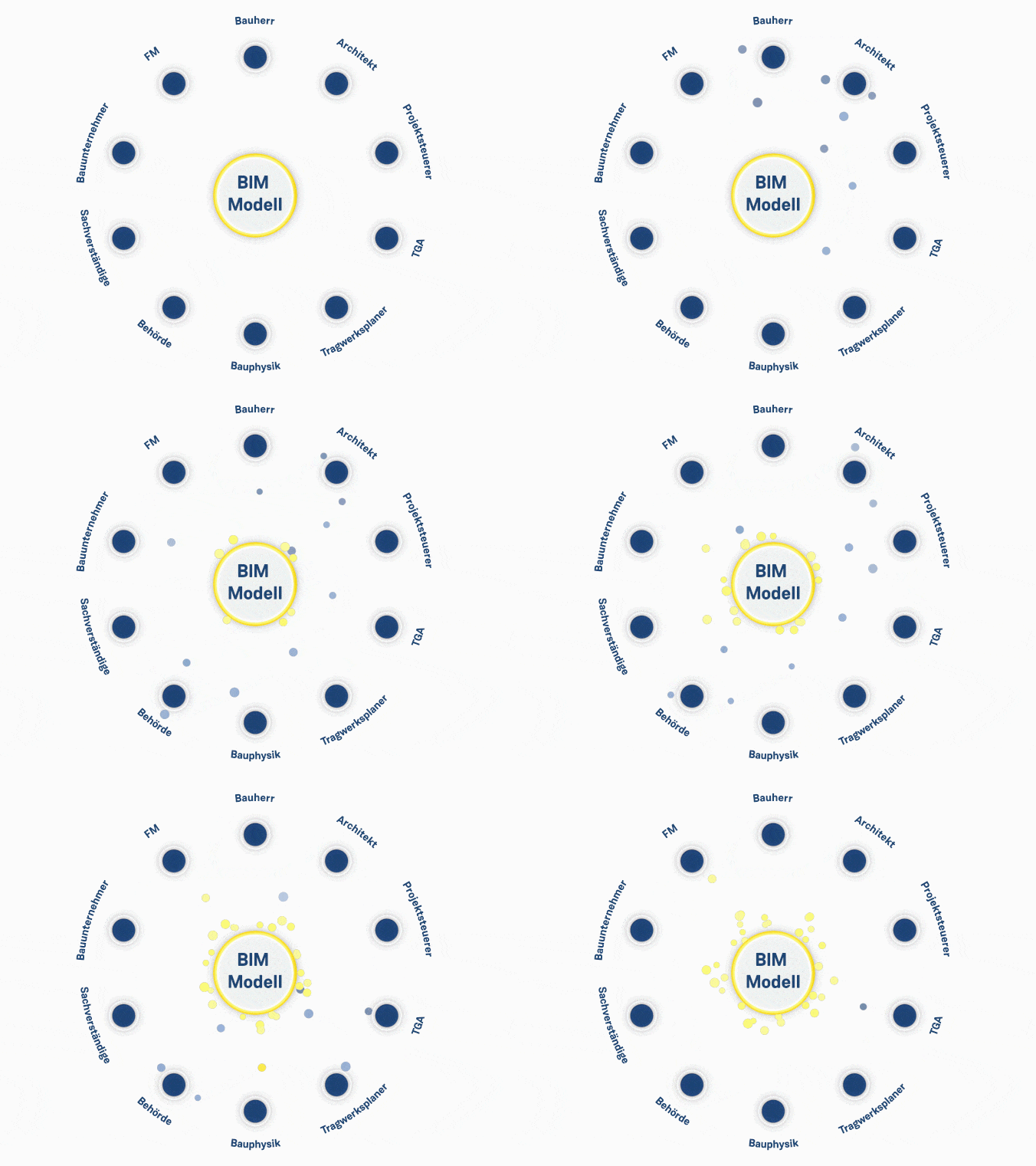
Every phase of a building’s project management involves a multitude of data, drawings, calculations, permits and various other documents. These are consolidated into a single system and made available to all project stakeholders to reflect the current project status.
Stakeholders have access to these documents and can exchange information more quickly. Every recorded change can affect the schedule as well as quality and cost estimates. BIM presents all data visually and clearly. This prevents data loss, duplicate data entry, or even communication breakdowns.
All BIM Benefitsat a Glance

Quick Decisions
All project participants have the same level of information at all times. This prevents delays.

Holistic Planning Optimization
With the expertise of all participants, challenges become apparent even before construction begins.

Efficient Collaboration
All project participants work closely and in a structured manner, regardless of time and location.

Optimized schedule management
Reduced delivery bottlenecks and downtime through transparent scheduling.

Transparent cost calculation
With BIM, it is possible to simulate how structural optimizations affect costs.

Clear improvement in quality
Standardized work methods and early identification of potential improvements enhance quality.